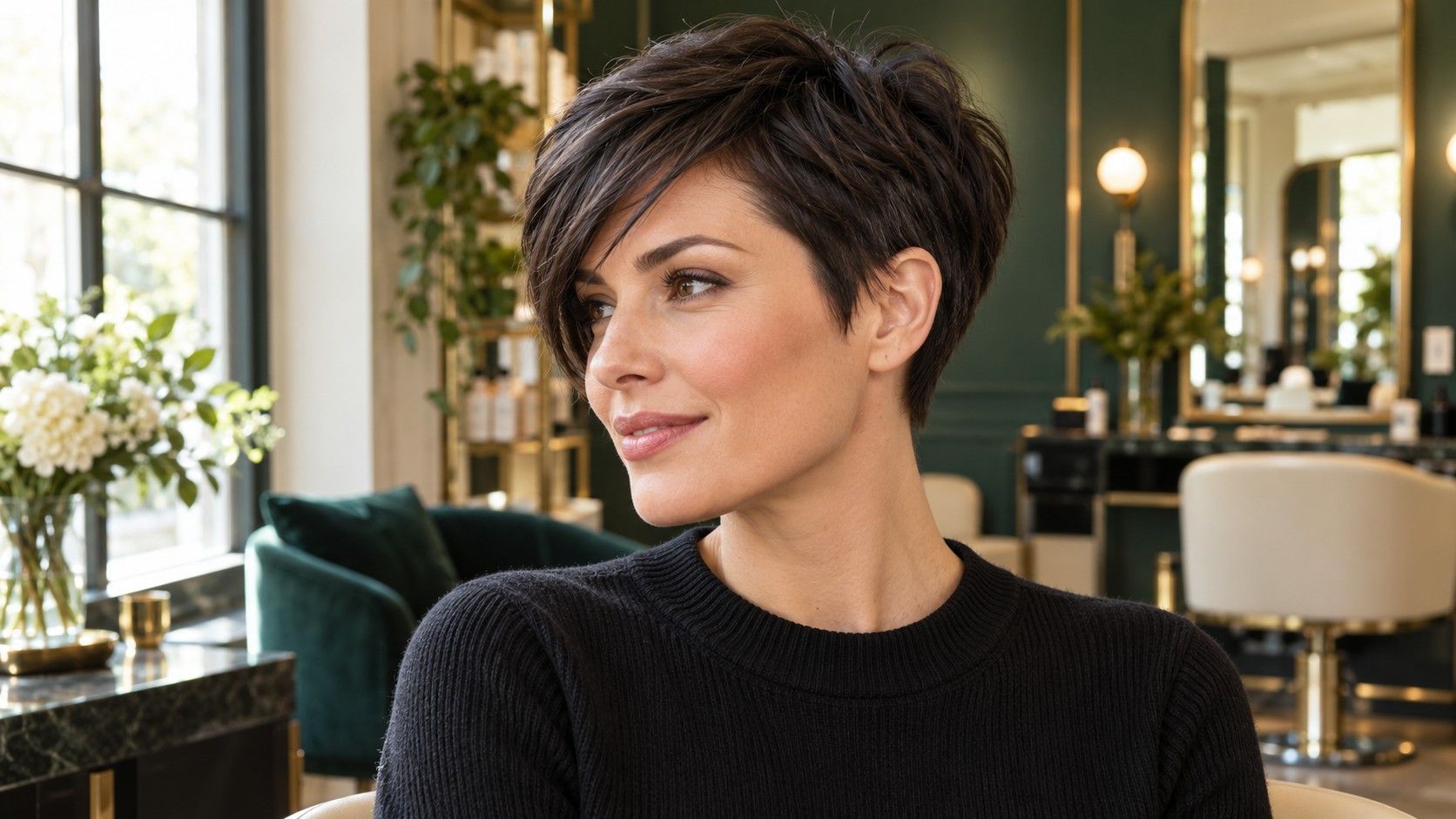
A pixie cut leaves less hair around the face, which makes small details unusually noticeable. The fringe direction, the length beside the ears and the shape at the crown may matter more than whether your face is called round, square or oval. When comparing pixie cuts for different face shapes, I would start with those details and with your growth patterns. A short haircut can be wonderfully practical, but its convenience depends on what your hair does between appointments.
Choose what you want to expose and what you want to keep
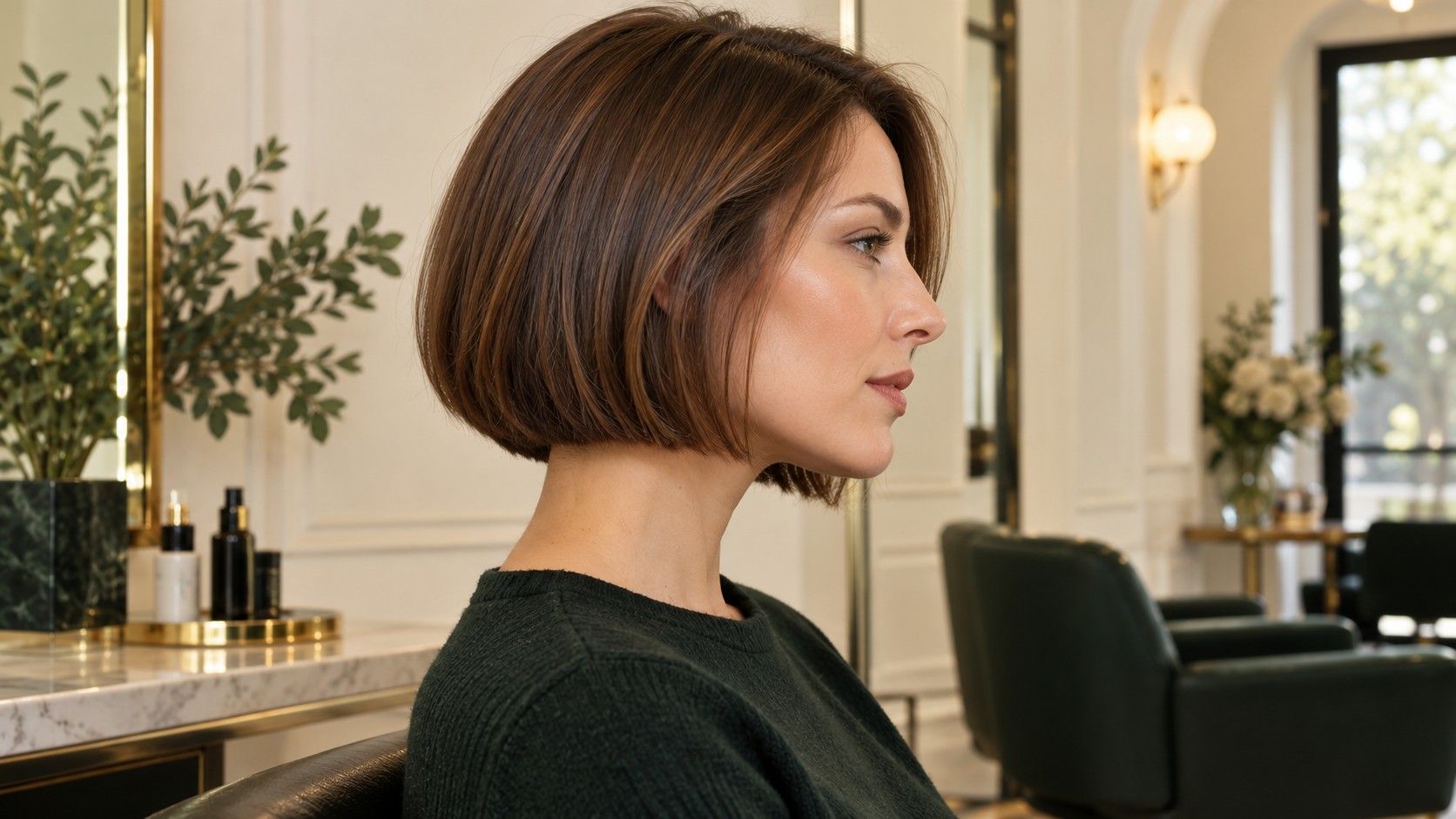
Pull your hair back loosely and then leave a few front pieces free. Compare the open forehead with a sweeping section, and look at the ears with the sides tucked away. This is a better first test than simply covering the lower half of a long-hair photograph. A pixie changes the outline around the whole head, including the nape, so examine your profile and back view as well.
Decide which parts of a short cut appeal to you. You may want an exposed neck, a long fringe, compact sides or a tousled crown. Those features do not always arrive together. A reference with a long top and closely cut sides offers different styling choices from a soft crop of similar overall length. Tell the stylist which detail is essential and where you are happy to be flexible.
Consider touch and accessories. Hair sitting on the top of the ears can feel irritating, while a close side may make glasses arms more visible. Large earrings create a different impression beside an open ear than beside a soft side piece. Wear your usual glasses to the consultation and bring a photograph with your preferred earrings if they are part of the look. These are practical design details, not distractions from face shape.
Use fringe and side length to compare proportions
A longer diagonal fringe can leave part of the forehead open and bring movement across the front. A short fringe makes the hairline and upper face more visible. A forward textured top creates another frame altogether. Compare these directions before deciding how short to cut. You can like the back of one reference and the front of another, but ask the stylist whether the two parts form a workable whole.
On a rounder outline, some people enjoy height at the crown and compact sides; others prefer a rounded crop that repeats the face's softness. On a square outline, wispy edges can contrast with a strong jaw, while blunt details can emphasize its geometry. Neither approach is the required one. Describe the effect you want rather than asking the stylist to disguise a feature you may actually like.
A longer face may feel more exposed under a very tall top, so compare a lower crown or some width around the temples if that matters to you. For a heart or diamond outline, notice how the fringe opening and side pieces sit beside the forehead and cheekbones. A triangle outline can be framed with movement higher on the head, but that does not make every cropped side suitable. Your actual hair density and profile still need a close look.
| Detail | Effect to compare | Practical question |
|---|---|---|
| Long sweeping fringe | A diagonal frame over the forehead | Will it stay out of my eyes? |
| Short textured fringe | A more open upper face | How will my hairline lift it? |
| Close sides | More visible ears and cheekbones | How soon will growth change the outline? |
| Soft longer sides | More hair around temples and ears | Can I tuck them comfortably? |
| Longer crown | Room for height or movement | What happens after sleep or a hat? |
Check growth patterns before the hair is wet
A cowlick at the crown can become more prominent when long hair is cut short. At the front, a strong upward growth pattern may prevent a fringe from lying as flat as the reference. Ask the stylist to examine both areas dry, with the hair falling naturally. Bring a photograph of the morning version if you have already styled it smooth for the appointment. That gives them information the finished look may hide.
Sometimes leaving a little extra length lets a difficult section settle; sometimes a shorter version follows its direction more comfortably. There is no reliable answer without seeing the hair. Ask what the proposed length is intended to achieve and what styling will be required. A plan that depends on flattening a strong cowlick every morning deserves a clear conversation before the scissors come out.
The nape has growth patterns too. Hair may rise, split or grow toward one side. A very sharp outline can need more attention as it grows, while a softer finish may be more forgiving. Ask to see the nape in a mirror and discuss the edge you prefer. A front reference rarely shows this area, yet it can make the difference between a crop that feels polished to you and one you keep wanting to tidy.
Match the cutting approach to texture and density
Fine straight hair may show a clean shape beautifully, but excessive thinning can leave the front or crown looking sparse. Ask how much hair will be kept in the fringe and whether the top will still have enough weight to fall in the intended direction. A reference with dense, coarse hair can suggest a volume your own hair will not naturally hold. You may still like an adapted version with a flatter, sleeker finish.
Thick straight hair can stand away from the head when cut shorter, especially at the sides. If you want a compact shape, ask the stylist how they will manage that behavior and whether the reference depends on a blow-dry. Taking more hair out is not always the same as creating a better outline. Discuss where the weight should remain and where it feels uncomfortable, rather than requesting thinning everywhere.
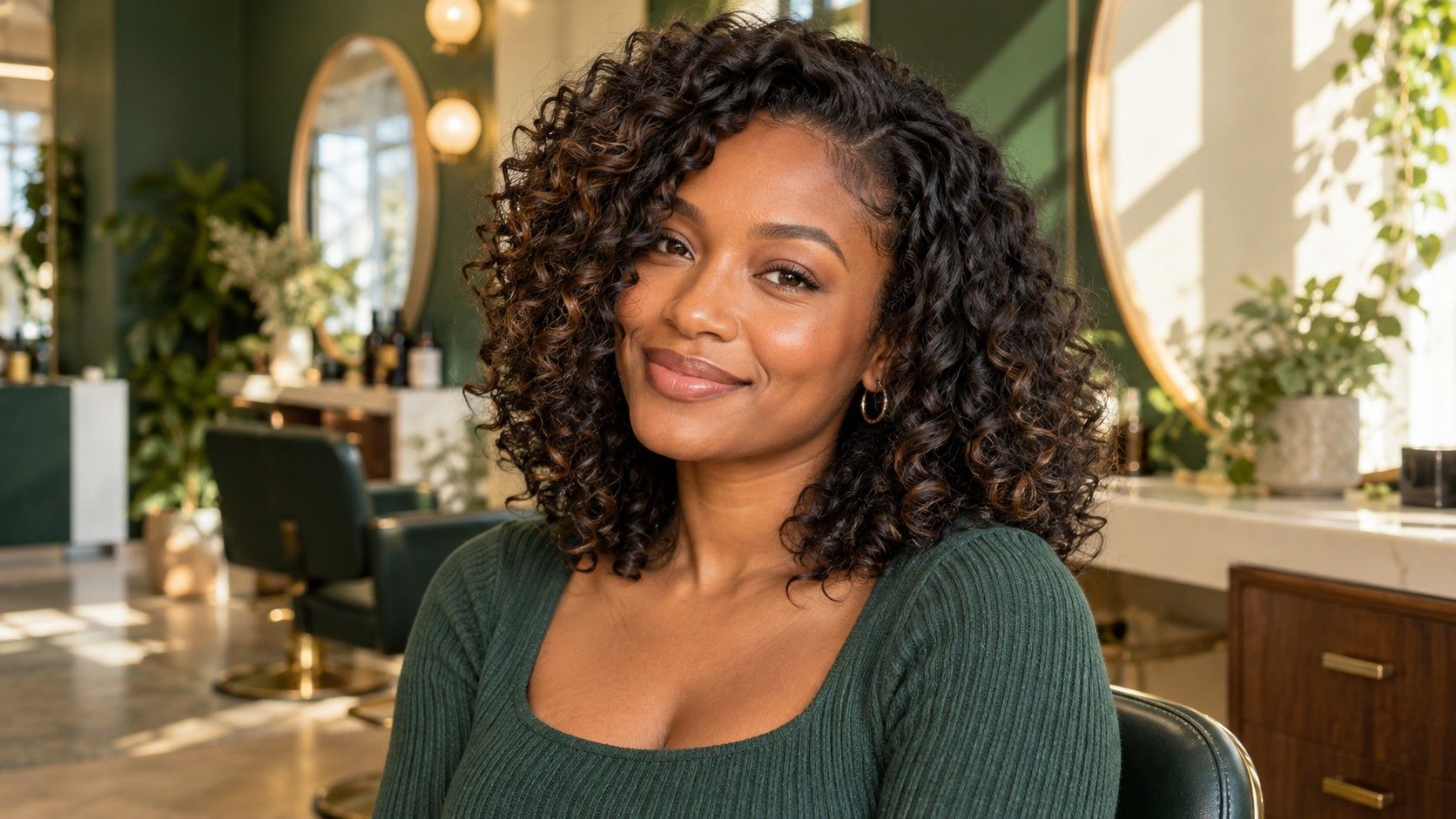
Waves and curls add movement but also change the apparent length. A long pixie on stretched curls may become a much shorter crop when dry. Ask to review the fringe and side lengths in the texture you intend to wear. If you alternate between curls and straight styling, explain both routines. The cut may need a compromise, and seeing that tradeoff before the appointment is more useful than discovering it after the first wash.
Find out what a normal morning will involve
Short hair often dries quickly, but it can also record the position you slept in. A flattened crown or a lifted fringe may need dampening before it settles. Ask the stylist to show how to reset the difficult area without washing the whole head. Notice whether the direction of the roots matters more than the amount of product. Adding more paste to a section that needs water may simply make it feel heavier.
Try a small amount of styling product first. A photograph with separated, textured pieces may have been carefully arranged, while you may prefer a softer finish you can touch. Ask what the product is doing: adding grip, holding lift or smoothing the surface. You do not need to reproduce every salon step if the underlying shape already sits well, but it helps to know which step produces the feature you want.
If your routine includes helmets, hats or regular swimming, bring that into the conversation. A tall styled top may flatten under a helmet; a forward fringe may separate when damp. You might choose a cut that looks good in more than one direction, or accept a quick reset as part of the routine. Test it by moving the finished hair with your hands, rather than judging only the carefully arranged final view.
Plan maintenance and the route into a longer cut
A pixie can change character quickly as the sides and nape grow, even while the top still feels short. Ask which area will need attention first and how precise you want the outline to remain. There is no single appointment interval for every crop. Someone who likes soft growth may wait longer than someone who wants a consistently close side, and your own growth rate will influence the plan.
If you are uncertain about going very short, discuss a longer crop that preserves some fringe and side length. It can offer room to adjust after you have worn the shape for a while. That is not a necessary stepping stone for everyone. If a close cut is exactly what you want, show the reference clearly and agree on how the ears, temples and nape will be treated so the result is intentional.
Grow-out is easier to discuss before you are frustrated with it. The nape may need reshaping while the top gains length, and the fringe may pass through an awkward stage near the eyes. Ask what could be maintained and what needs to be left alone if your eventual goal is a bob. Keep a front, side and back photograph of the finished cut so a later appointment can compare the actual shape rather than your memory of it.
The most useful short haircuts for your face shape leave you with choices you understand. You should know where the fringe will sit, what the sides will reveal and how the crown behaves without a perfect finish. Once those details are clear, the face-shape category becomes a helpful reference instead of a rule deciding whether you are allowed to wear short hair.